
Far From Help: How the Maternal Care Crisis Is Putting Southern Mothers at Risk
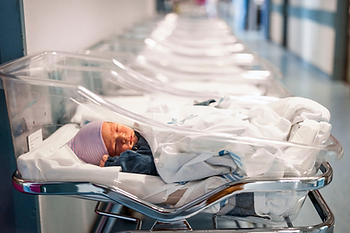
For millions of American families, having a baby is one of the most joyful moments of their lives — but for too many mothers across the South, it has become one of the most dangerous. The United States loses more women to pregnancy and childbirth than any other wealthy country in the world, and the burden falls heaviest on Southern families who are already navigating long distances, limited clinics, and shrinking insurance options.
That reality isn't just a statistic. It shows up in empty chairs at kitchen tables and children growing up without their mothers.
The South Has the Highest Maternal Death Rates in the Country
In 2023, eight of the states with the highest maternal death rates in the nation were all located in the South — including Arkansas, Kentucky, Mississippi, and Georgia. These aren't small numbers. Maternal mortality refers to deaths caused by complications during pregnancy or shortly after childbirth, and the South is bearing a disproportionate share of those losses.
What makes this especially difficult to accept is that most of these deaths didn't have to happen. Federal reviews have found that more than four out of every five pregnancy-related deaths are preventable. Many of those deaths are linked to conditions like high blood pressure, heart disease, or diabetes — health problems that a doctor could catch and manage with regular visits, but that go unaddressed when there's no provider close enough to see.
Geography plays a major role. Approximately one-third of all U.S. counties have no hospital with a delivery unit and no birth center. For women living in those areas, a warning sign that a nearby clinic might catch early can quickly turn into a life-threatening emergency on a long stretch of rural highway with no help in sight.
Medicaid Is the Lifeline Many Mothers Depend On
For a large portion of mothers across the South, Medicaid — the government health insurance program for low-income Americans — is the only way they can afford to see a doctor during pregnancy. In states that have expanded Medicaid under the Affordable Care Act, more women have access to prenatal care, postpartum checkups, and treatment for chronic conditions before those conditions become emergencies.
But ten states have still not expanded Medicaid, and seven of those states are in the South. In those states, many low-income women can only qualify for Medicaid coverage after they become pregnant — and then lose that coverage not long after giving birth. That means the years when a doctor could have been monitoring and treating her blood pressure or managing her diabetes are the years she goes without insurance and without a provider.
Research consistently shows that expanding Medicaid saves mothers' lives. A study published in Women's Health Issues found that states that expanded Medicaid recorded roughly seven fewer maternal deaths per 100,000 births compared to states that did not expand — and the gap was even larger for Black mothers, who already face significantly higher maternal mortality risks. A 2026 research review covering more than 60 million births reached similar conclusions, finding that Medicaid expansion was consistently linked to fewer deaths and fewer life-threatening pregnancy complications.
The effects aren't limited to individual patients. Rural hospitals in states that have expanded Medicaid are also significantly less likely to be operating at a financial loss, which means their maternity wards and delivery rooms are more likely to stay open. When rural hospitals close their obstetrics units — often because they can't afford to keep them running — the distance between a pregnant woman and her nearest delivery room grows even longer.
What This Means for Families Right Now
For families in rural Southern communities, the maternal care shortage is not an abstract policy debate. It is the reality of driving an hour or more to a prenatal appointment, not having insurance until pregnancy is already confirmed, or delivering a baby without the medical backup that could mean the difference between life and death if something goes wrong.
Proposed federal cuts to Medicaid would make an already serious situation harder to manage, potentially reducing the coverage that rural hospitals and low-income mothers rely on to keep both patients and facilities financially afloat. At the same time, states that have continued to hold off on Medicaid expansion are leaving a tool on the table that research shows would reduce maternal deaths and help keep rural hospitals open.
The data points in a clear direction: when mothers have access to consistent, affordable healthcare before, during, and after pregnancy — not just in the weeks they happen to be pregnant — fewer of them die. For American families in communities already dealing with long drives and limited options, that access is not a luxury. It is the difference between a mother coming home with her baby and not coming home at all.


